How to Choose Profitable Vehicles for Your Rental Fleet
Successful fleet building begins with market research. Before purchasing a car, you should understand who rents in your market, why they are visiting, what vehicle categories they need, and what they are willing to pay.
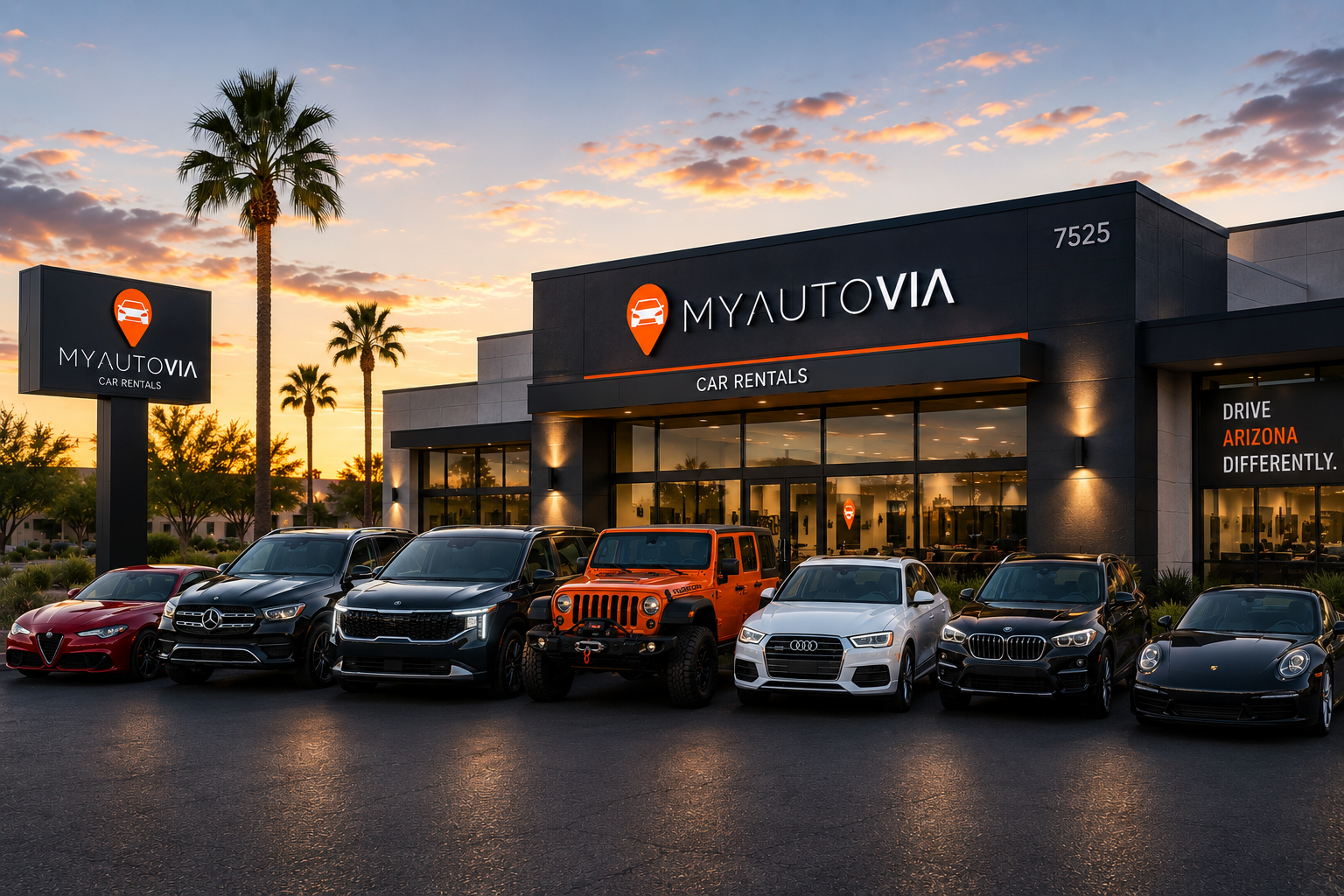
Discover how to select rental vehicles using market demand, acquisition cost, operating expenses, presentation, and exit value.
Start With the Market, Not the Badge
The vehicle you personally love is not always the vehicle your rental market wants. Successful fleet building begins with research. Before purchasing a car, understand who rents in your market, why they are visiting, what vehicle categories they need, and what they are willing to pay.
Rental demand differs by location. An airport-driven market may support family SUVs, minivans, business-class sedans, and premium vehicles. A tourism market may create demand for convertibles, Jeeps, sports cars, and luxury experiences.
Research Local Demand
Study airport and tourism activity, business travel, seasonal events, comparable inventory, average advertised rates, booking patterns, trip duration, delivery opportunities, parking expenses, and insurance costs.
Do not rely only on the highest advertised daily rate. Evaluate whether comparable vehicles appear consistently available or booked, and whether the likely revenue supports the complete ownership and operating cost.
Choose Colors That Photograph and Resell Well
Black, white, silver, gray, and dark blue are versatile fleet colors. They photograph professionally, appeal to a broad range of renters, and may serve a wider resale audience.
Bright or unusual colors can create eye candy for sports and specialty vehicles, but they may appeal to a narrower customer segment. Use bold colors strategically instead of making every vehicle in the fleet highly specialized.
Eye Candy Must Still Produce Income
Premium and luxury vehicles can help a rental brand stand out. A clean Mercedes-Benz, BMW, Alfa Romeo, Audi, Jeep, or distinctive sports car may generate more attention than basic transportation.
Appearance cannot replace financial analysis. Estimate conservative monthly utilization, achievable average daily rate, platform and processing fees, loan payment, insurance, maintenance, repairs, tires, brakes, cleaning, parking, downtime, and depreciation before committing capital.
A vehicle that attracts attention but remains unavailable because of repairs is not an income-producing asset.
Complete the Pre-Purchase Checks
Every acquisition should receive a VIN and history check, title review, open-recall check, stolen-vehicle check, auction-history review, mechanical inspection, diagnostic scan, tire and brake inspection, fluid and leak inspection, and cosmetic reconditioning estimate.
The purchase price is only the beginning. Calculate the complete ready-to-rent cost, including delayed parts and the revenue lost while the vehicle is being prepared.
Know the Exit Before You Enter
Determine how long you intend to keep the vehicle and what would trigger an exit. Warning signs may include declining utilization, frequent repairs, excessive downtime, poor reviews, rising mileage, negative equity, or weakening resale value.
The goal is not simply to own more cars. The goal is to own vehicles that fit the market, protect cash flow, strengthen the brand, and maintain a reasonable exit path.
NEXT STEP: Discover the MYAUTOVIA Fleet Builder Accelerator and learn to evaluate markets, acquisitions, reconditioning, and exit value before you buy.